What We Do

Services

Here's the full rundown of what we pour, repair, and finish.

Home › Services

Everything we take on

Every job below is one we do ourselves across Bossier City.

Concrete Driveways

A driveway sees more weight and more weather than almost anything else on your property, so we build the base to carry it. We compact crushed stone sub-base, pour at least four inches thick, and reinforce with rebar or wire mesh depending on what you're parking on it. Expansion joints go in where the driveway meets the garage slab or sidewalk, so movement happens there instead of through the middle of the pad.

Concrete Patios

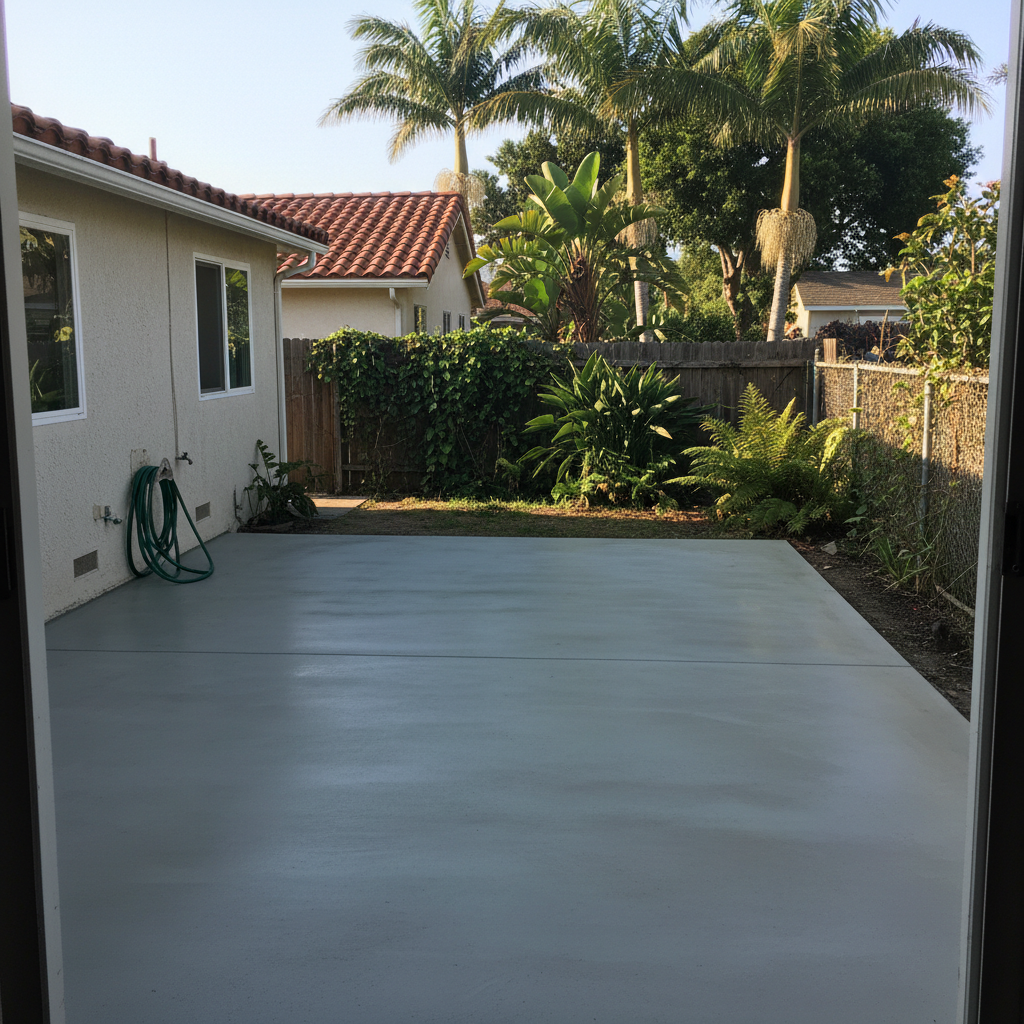
Patios take less load than a driveway, but drainage matters more since you're sitting out there. We slope the pour away from the house, usually a quarter inch per foot, so water doesn't pool against your foundation. Broom finish, exposed aggregate, or stamped, the base prep underneath doesn't change.

Stamped Concrete

Stamped concrete gives you the look of brick, slate, or flagstone without the joints weeds and ants get into. We color and texture it while the mix is still plastic, then seal it once cured to protect the finish and bring out the color. It costs more than plain broom-finished concrete, and it's worth it if you're trying to match a specific look around the house.

Concrete Repair

Not every crack means you need a new slab. We lift sunken sections with mudjacking, patch spalled or scaled surfaces, and seal cracks before water gets under the slab and makes it worse. If the slab's too far gone, we'll say so instead of patching something that fails again in a year.

Concrete Slab Foundations

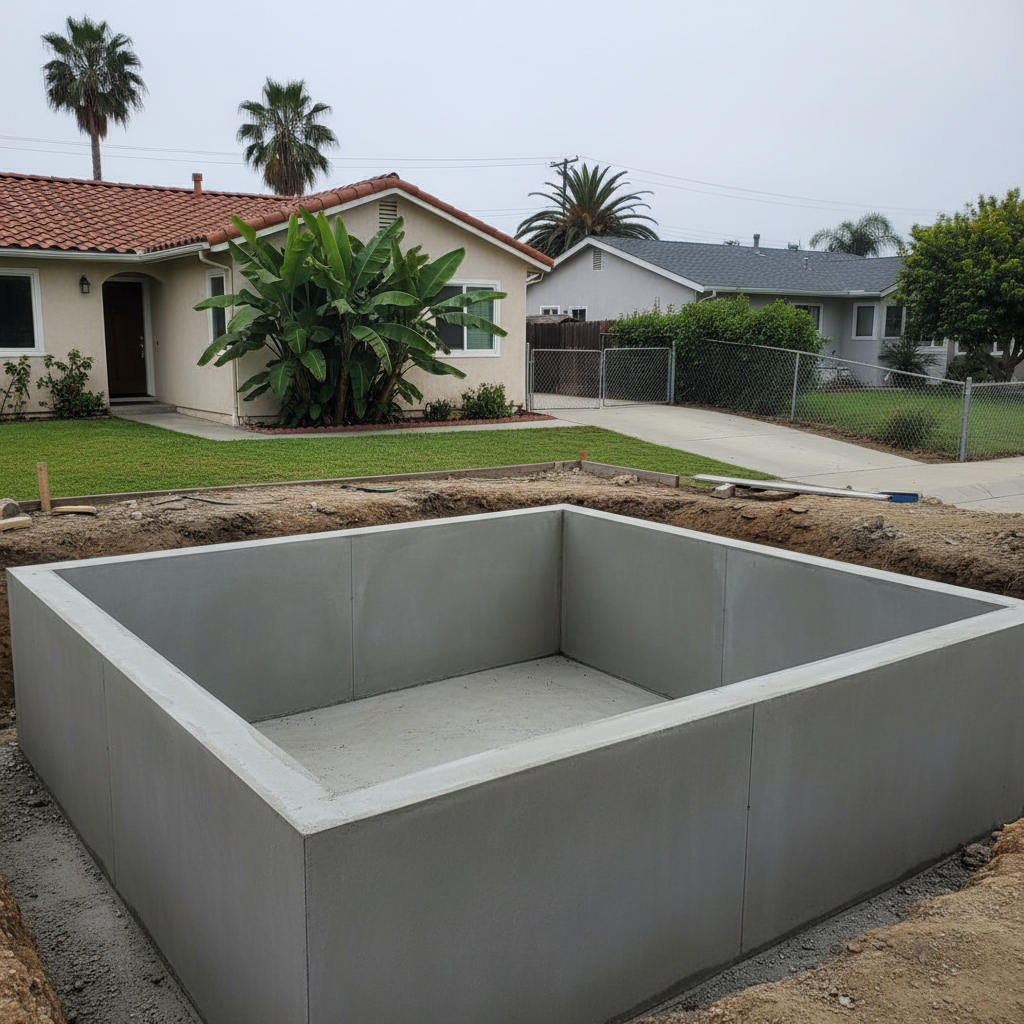
Sheds, garages, workshops, and additions all need a slab that's flat, square, and sized for what's going on top of it. We check the layout against the structure's footprint before we pour and set anchor bolts or embeds where the builder needs them. The slab gets the cure time it needs before anyone builds on it.

Concrete Sidewalks & Walkways

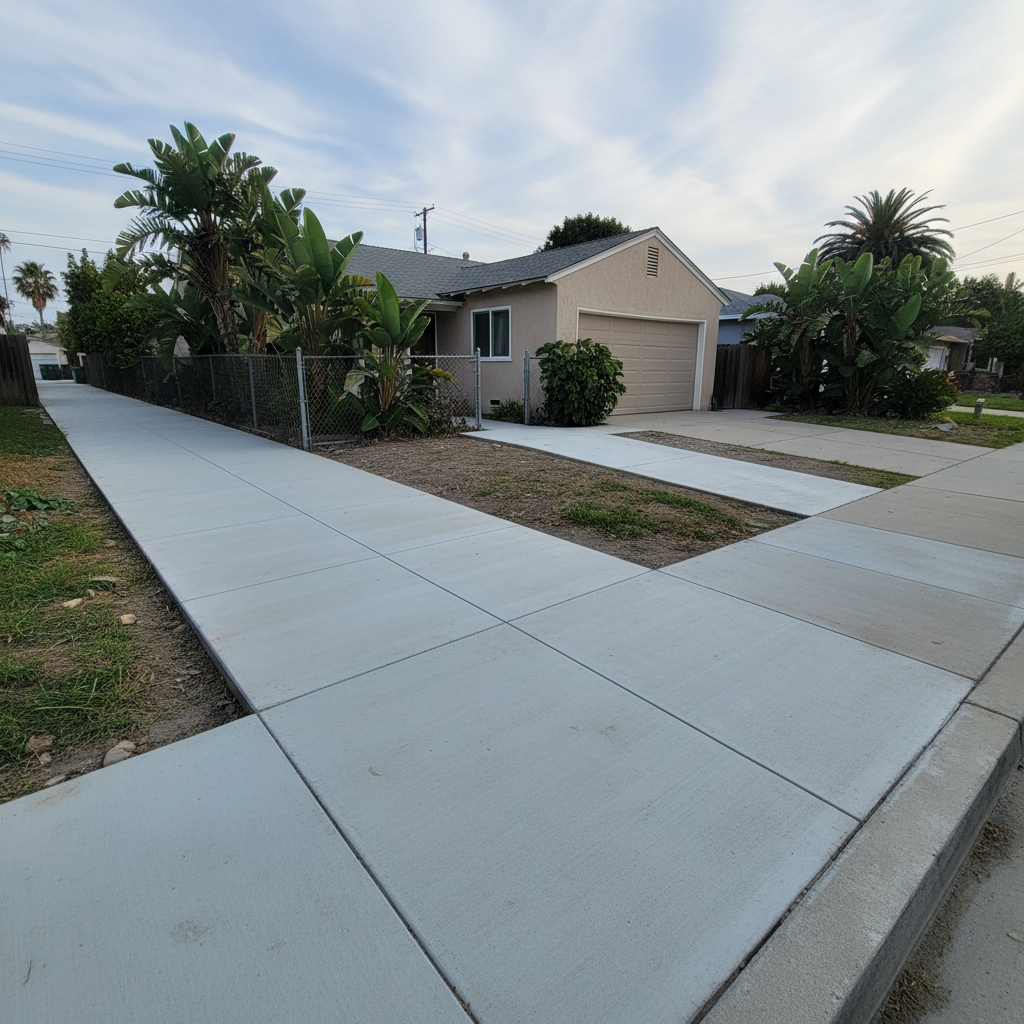
A walkway that heaves gets tripped on, so we keep sections short with joints every four to six feet to control where it cracks. We match the slope to your existing grade so it ties into the driveway or porch without a lip.

Concrete Steps & Porches

Steps settling away from the house is one of the most common calls we get, usually because they were poured without being tied into the foundation. We either dowel new steps into the existing footing or isolate them with a proper joint so they can move independently without pulling apart from the house.

Exposed Aggregate Concrete

Exposed aggregate gives you a non-slip, textured surface by washing off the top layer of cream to expose the stone underneath. It holds up well around pools and patios where plain concrete gets slick when wet.

Concrete Driveway Resurfacing

If your existing driveway is structurally sound but ugly, cracked at the surface, or stained beyond cleaning, we can overlay it instead of tearing it out. It's cheaper than a full replacement, but it only works if the slab underneath isn't settling or badly cracked through.

Retaining Walls

We also build small concrete retaining walls for grading issues, raised beds, or driveways on a slope. Footings go below the frost line and we grade drainage behind the wall so water pressure doesn't push it over in a few years.

How It Works

Four steps, and no surprises in any of them.

01

We come and look

You tell us what you want doing, we look at what is actually there, and we ask the awkward questions early.

02

You get a price

In writing, itemised, free. If something might add cost later we flag it now rather than at the end.

03

We do the work

Same crew throughout. We cover your floors, keep the dust down and tidy up before we leave each day.

04

We walk it with you

You point out anything you are not happy with and we fix it before the invoice, not after.

Where We Work

All of this, across Bossier City, LA

We bring the same crew and equipment to every town on this list.

Bossier City, LA
Shreveport, LA
Springhill, LA
Minden, LA
Vivian, LA
Blanchard, LA
Haughton, LA
Benton, LA
Greenwood, LA
Stonewall, LA
Plain Dealing, LA
Common Questions

Things worth asking

Questions that come up once a project's actually underway.

Do I need a permit to pour a new driveway or patio?
Most municipalities require a permit for new driveways, especially where they meet the street, and sometimes for patios over a certain size. A concrete contractor familiar with local code will typically pull the permit as part of the job.
How long does a typical concrete pour take?
The actual pour and finish usually happens in one day for a driveway or patio, but the concrete needs about 24 to 48 hours before it can be walked on and roughly seven days before vehicles drive on it. Full cure strength takes about 28 days, though the surface is usable well before that.
Can you work within a specific budget?
Slab thickness, reinforcement type, and finish can all be adjusted to fit a budget. A plain broom finish costs less than stamped or exposed aggregate concrete for the same square footage.
Do you guarantee your concrete work?
Reputable concrete contractors stand behind cracking or settling that results from their own workmanship, typically covering it for a stated period after the pour. Cracking caused by factors outside the contractor's control, like tree roots or extreme ground movement, is usually handled separately.
Will I be dealing with the same person throughout the project?
On most concrete jobs, one person from the crew serves as the main point of contact for scheduling and questions, even though multiple people handle the actual pour and finish. That keeps communication consistent from the estimate through the final walkthrough.
What type of concrete mix do you use?
Residential driveways typically use a 3500 to 4000 PSI mix, with higher strength used where heavier vehicles or freeze-thaw cycles are a concern. Patios and walkways can often use a slightly lower strength mix since they carry less load.
Can I stay in my house during the work?
Concrete work for a driveway or patio doesn't require homeowners to leave the property, though parking and normal foot traffic near the work area will be limited during the pour and the first few days of curing.
What do I need to do to prepare before the crew arrives?
Clearing the work area of vehicles, furniture, and landscaping items ahead of time speeds up the job, and marking any underground sprinkler lines or utilities helps avoid damage during excavation. A contractor will usually flag the project area and set grade stakes before digging starts.
What happens if you find a problem with the soil once digging starts?
If unstable soil, old buried debris, or standing water shows up once excavation begins, the sub-base plan and sometimes the cost will need to be adjusted before pouring continues. A reliable contractor will explain the issue and the fix before pouring over a bad base.
How do I take care of new concrete after it's finished?
New concrete needs to cure undisturbed for about a week before vehicles drive on it, and sealing it every few years helps resist staining and surface scaling from weather. Keeping control joints clear of debris also helps the slab crack where it's supposed to instead of randomly.

Not sure what you need?

Describe the problem and we will tell you what it probably is. No obligation.
Call (318) 232-4802